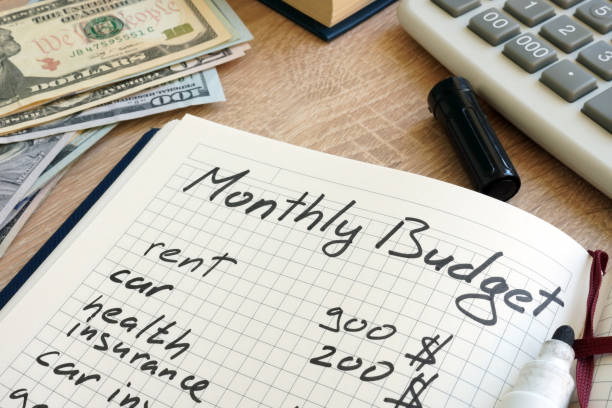
Planning monthly expenses is one of the most effective money saver tips for maintaining financial stability. Many people struggle financially because they spend without tracking where their money goes. A proper monthly plan helps control spending, reduce unnecessary purchases, and improve savings habits.
The first step is listing all sources of income and fixed expenses such as rent, electricity, groceries, transportation, and loan payments. Once essential expenses are identified, it becomes easier to understand how much money is available for savings and optional spending.
Creating categories for expenses is another useful strategy. Dividing spending into needs, wants, and savings allows better financial control. Many financial experts recommend saving at least 20% of monthly income to build long-term security.
Tracking daily expenses is equally important. Small purchases such as snacks, coffee, and online subscriptions may appear insignificant, but together they can consume a large amount of money every month. Monitoring these habits helps identify areas where spending can be reduced.
Using budgeting apps or spreadsheets can simplify expense management. Weekly reviews also help ensure that spending stays within limits. Individuals who regularly monitor their finances are more likely to achieve their savings goals.
Another important aspect of financial planning is preparing for emergencies. Unexpected medical bills or urgent repairs can disrupt finances if there is no backup savings. Allocating a portion of income to an emergency fund provides financial security and peace of mind.
Consistent planning and disciplined spending gradually improve financial health. Over time, these habits reduce stress and increase financial confidence. By following smart money saver tips and maintaining a monthly expense plan, individuals can achieve greater financial stability and long-term success.