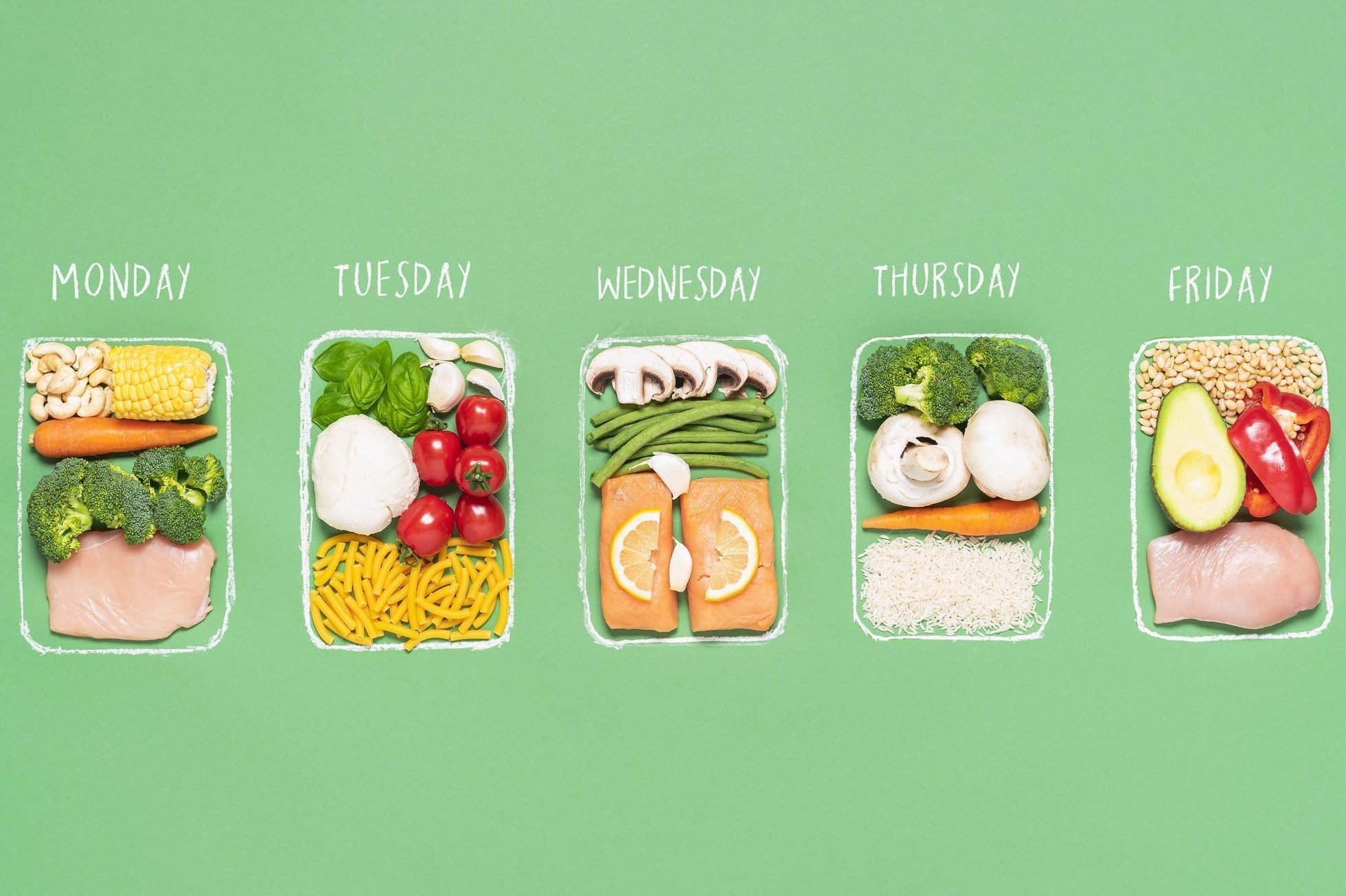
Preparing meals in advance is an effective way to reduce food expenses and improve your savings. Many people spend more money than necessary on takeout and last-minute food purchases because they are unprepared during busy days. Meal preparation helps you stay organized, save time, and control your spending.
The first step is planning your meals for the week. Decide what you will eat and create a shopping list based on those meals. This prevents unnecessary grocery purchases and reduces food waste. Buying only what you need helps you stay within budget.
Cooking meals in batches is another useful strategy. Preparing larger portions allows you to store extra meals for later use. This reduces the need to order food when you are tired or short on time. It also saves cooking time during the week.
Meal preparation helps you avoid impulse spending on expensive snacks or restaurant meals. When healthy and ready-to-eat meals are available at home, you are less likely to spend money unnecessarily.
Another advantage is better portion control. Planning meals ahead helps you manage ingredients efficiently and avoid waste. This creates additional savings over time.
Using reusable containers and organizing your meals properly also improves convenience. Keeping prepared meals accessible makes it easier to maintain the habit consistently.
By preparing meals in advance, you can reduce food expenses, improve budgeting, and develop healthier financial habits. This simple practice supports long-term savings and helps you manage your money more effectively while maintaining a balanced and organized lifestyle with greater financial awareness and discipline over time consistently.